
Pulmonary Function Tests (PFTs) are a group of non-invasive diagnostic tests that evaluate how well the lungs are functioning. These tests measure lung volume, lung capacity, air flow rates and gas exchange to help detect, diagnose and monitor respiratory conditions. PFTs are commonly used to diagnose and monitor asthma, chronic bronchitis, interstitial lung disease, pulmonary hypertension, and other lung diseases.
According to CDC data, nearly 25 million Americans have asthma and over 16 million suffer from COPD. Early lung testing utilizing Pulmonary Function Test can prevent complications.
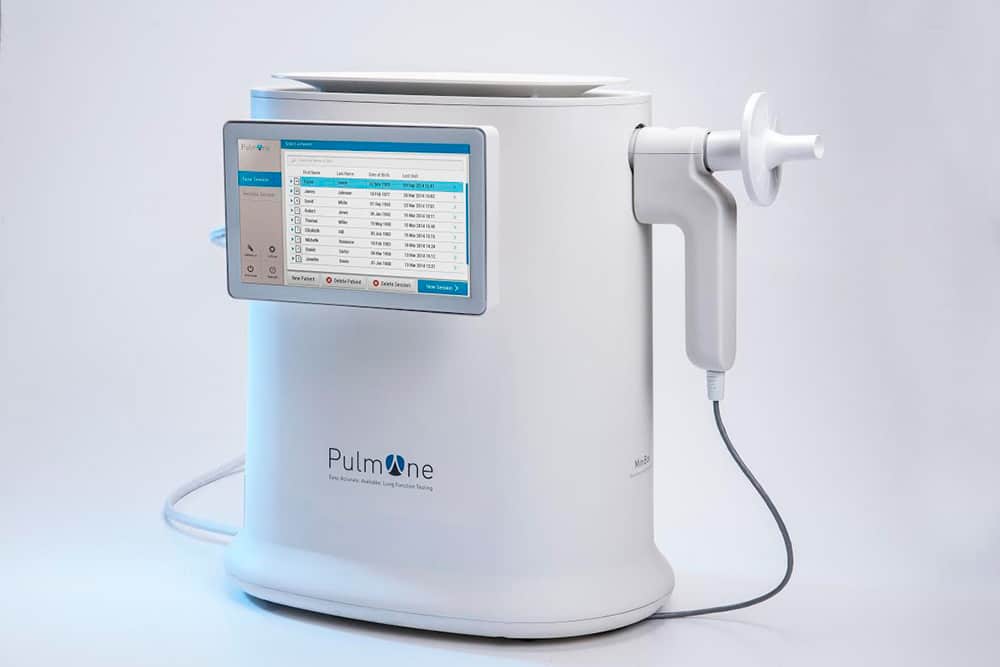
Spirometry is the most common PFT and measures how much air you can inhale and exhale as well as how quickly you can exhale.
This test helps identify obstructive lung diseases such as asthma and COPD.
PFT spirometry is often the first step in identifying common lung conditions and tracking treatment success.
We also provide spirometry test for lung function to help pinpoint early signs of breathing issues.
This test determines the total amount of air the lungs can hold. It helps diagnose restrictive lung diseases where lung expansion is limited.
Evaluates how effectively gas travels from the lungs into the bloodstream. This is used for diagnosing pulmonary hypertension and interstitial lung disease.
Peak expiratory flow (PEF) measures how fast you can blow air out of your lungs. It is often used to monitor asthma at home.
Our tests are conducted in a controlled and safe environment ensuring accurate results and patient comfort.

Most PFTs take between 20-45 minutes, depending on the specific test type. During the test, a breathing tube may be used to measure forced breathing, and you may be asked to take a deep breath and exhale in different patterns.


Pulmonary Function Tests are vital for assessing lung health and diagnosing respiratory conditions early. They provide valuable insights that help guide treatment decisions and improve overall patient outcomes. If you are experiencing respiratory symptoms or have a chronic lung condition, consult your healthcare provider to determine if PFTs are appropriate for you.
If you are searching for pulmonary function test, Wellness Rheumatology & Primary Care provides quick appointments and accurate assessments.
